How Many Acres Do You Need for a Hobby Farm in Missouri?
A hobby farm does not require hundreds of acres. Depending on your goals, a useful Missouri hobby farm might contain five acres, 20 acres, 40 acres, or more.…
A hobby farm is more than a house with extra acreage. It is a property that gives you the space, infrastructure, and flexibility to garden, raise animals, keep horses, build a workshop, enjoy the outdoors, or create your own version of country living.
Boyer Land Company helps buyers compare Missouri hobby farms, rural homes, mini farms, and small-acreage properties based on how they plan to use the land.
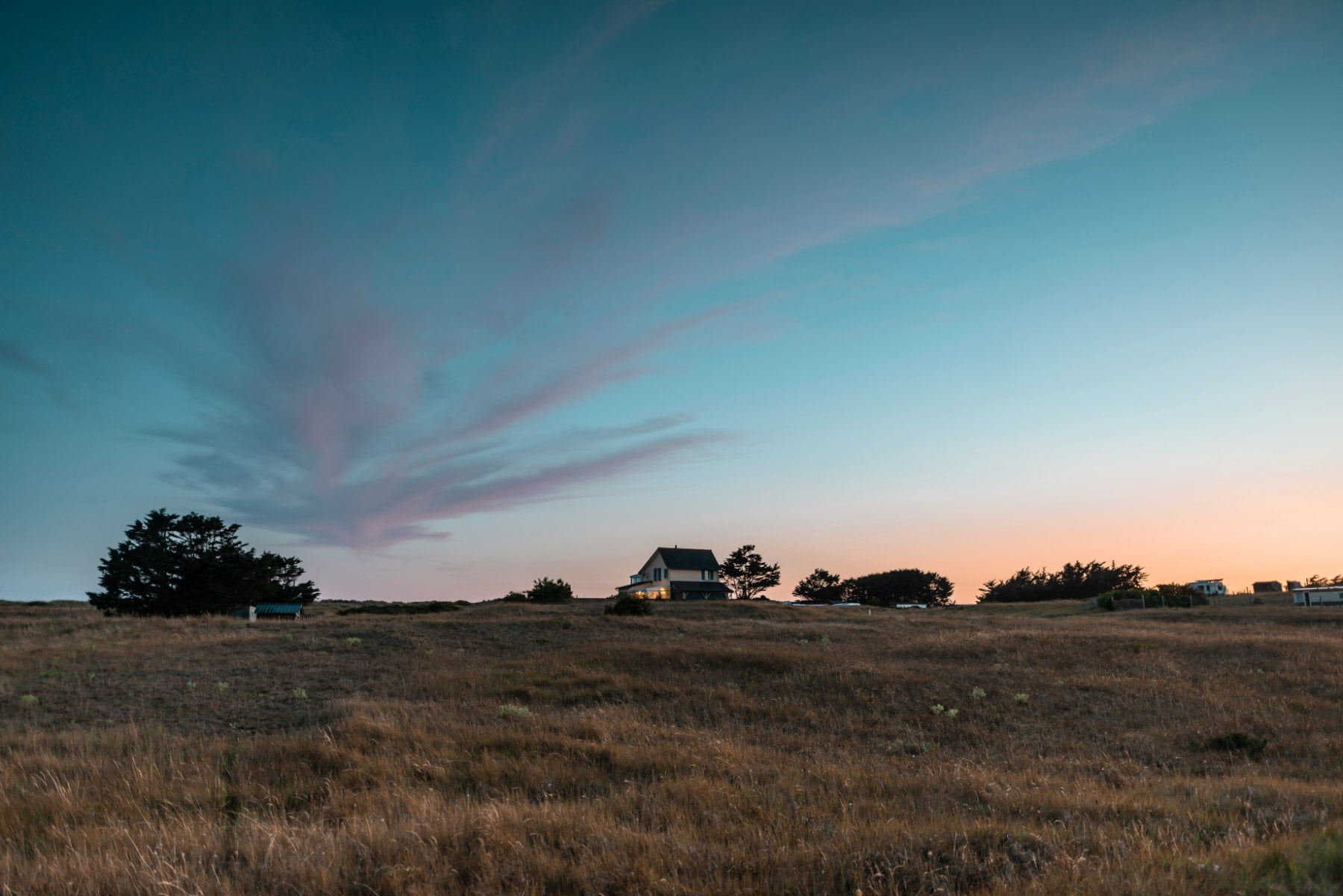
The right property depends on your goals. Two farms with the same acreage may offer completely different possibilities based on their soil, terrain, water, fencing, buildings, restrictions, and amount of usable ground.
Look for productive soil, sunlight, drainage, a dependable water source, convenient access, and enough space to protect plants from wildlife.
Evaluate local restrictions, fencing, shelter, water access, feed storage, drainage, manure management, and protection from predators.
Usable pasture matters more than total acreage. Inspect fencing, gates, barns, shade, water, soil condition, hay storage, and the ability to divide pasture for rotation.
Confirm access, electrical service, building condition, internet availability, parking, road restrictions, and whether the intended activity is allowed.
Wooded acreage, ponds, trails, creeks, open ground, wildlife habitat, and neighboring land use can add recreational value beyond the working portion of the farm.
Some buyers want a ready-to-use farm. Others want a rural home where they can add fencing, gardens, buildings, animals, or recreational improvements over time.
No two buyers are looking for the exact same property. Some want a peaceful country home with a few acres. Others are searching for horse properties, hunting opportunities, fenced pasture, workshops, ponds, or space for livestock and gardening.
Boyer Land Company helps buyers explore a wide variety of Missouri hobby farms and rural properties designed for recreation, homesteading, farming, and country living. Whether you’re relocating full-time or looking for a weekend escape, we help simplify the process and connect you with opportunities across Missouri.
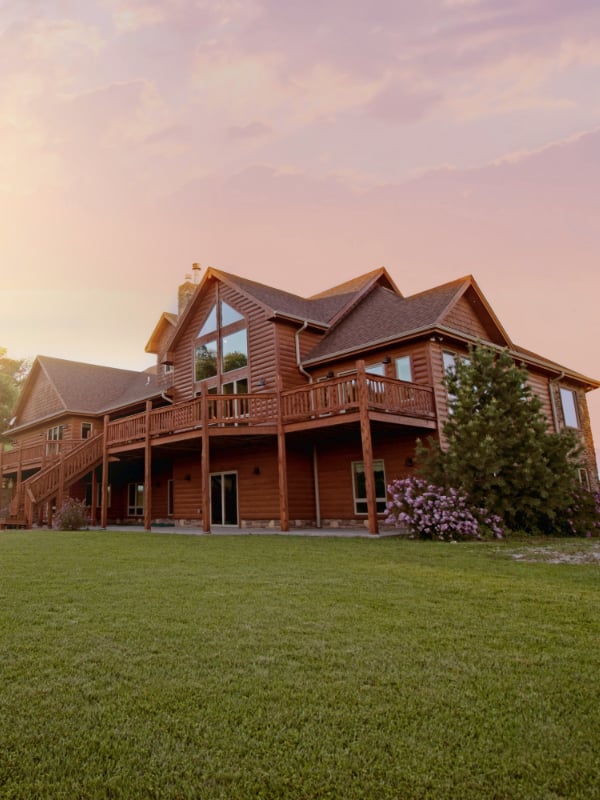
Howell, Texas, Ozark, Shannon, Douglas, and surrounding counties attract buyers looking for rolling pasture, timber, creeks, springs, privacy, and rural acreage.
Ozark properties may offer attractive scenery and seclusion, but buyers should closely inspect steepness, rocky soil, road access, fencing, pasture quality, well production, and the cost of improving the land.
West Plains, Mountain Grove, Ava, Houston, and surrounding communities can serve as starting points for a south-central Missouri search.
Central Missouri can provide a mixture of pasture, crop ground, timber, ponds, rural homes, and access to communities such as Columbia, Jefferson City, Fulton, and the Lake of the Ozarks region.
Buyers should compare development pressure, commute time, road access, restrictions, soil, utilities, and whether the property’s improvements fit their plans.
Adair, Macon, Johnson, Daviess, Harrison, and other northern counties may offer agricultural soil, crop ground, pasture, rural homes, barns, and small-farm opportunities.
Properties in this region can be well suited to gardens, orchards, livestock, farm income, and hunting. Buyers should verify existing leases, drainage, water availability, fencing, and how much acreage is currently usable.
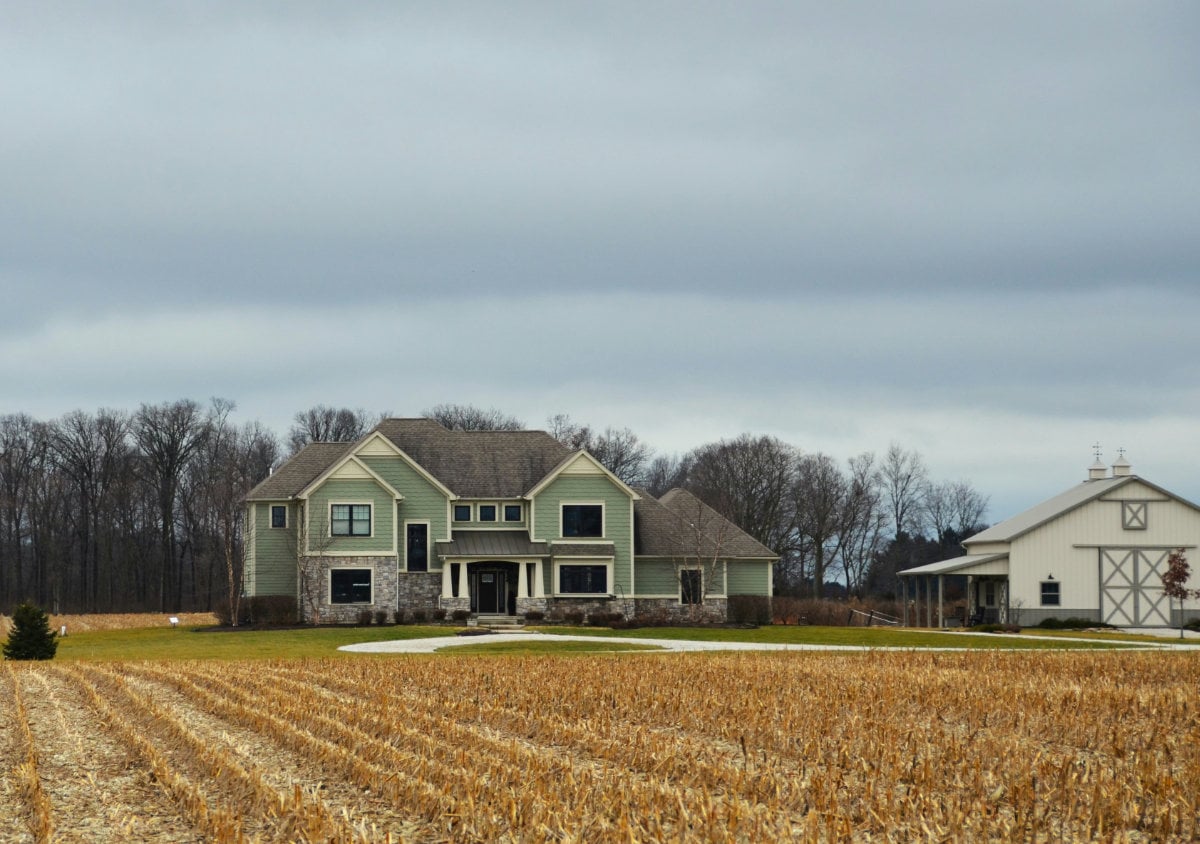
Identify pasture, cropland, timber, wet areas, steep ground, erosion, drainage, and soil limitations. USDA’s Web Soil Survey can assist with early research, but important uses may require onsite evaluation.
Determine how the home and animals receive water. Inspect wells, ponds, springs, creeks, hydrants, water lines, and the reliability of each source during dry periods.
Confirm what is fenced, who owns each fence, its current condition, and whether it is appropriate for the animals you intend to keep. Repairing or replacing perimeter and cross-fencing can become a significant expense.
Inspect the house, barn, shop, sheds, coops, stalls, roofs, foundations, electrical service, ventilation, drainage, and evidence of water or pest damage.
Verify the septic system, well records, electrical capacity, heating fuel, propane ownership, internet service, and the cost of extending utilities to additional buildings.
Confirm legal access, road maintenance, easements, deed restrictions, zoning, animal rules, building requirements, and whether your intended activities are allowed.
Identify the animals, gardens, buildings, recreation, acreage, location, budget, and improvements you need.
Decide which features must already exist and which improvements you are willing to complete after purchasing.
Review the home, usable acreage, fencing, buildings, water, access, restrictions, utilities, soil, and long-term maintenance requirements.
Inspect the land and improvements, then independently verify boundaries, title, access, systems, restrictions, financing, and intended uses before purchasing.
Helpful information, local insight, and practical guidance from our team.
A hobby farm does not require hundreds of acres. Depending on your goals, a useful Missouri hobby farm might contain five acres, 20 acres, 40 acres, or more.…
Share your preferred Missouri region, acreage, budget, intended animals or activities, and required improvements. Boyer Land Company can help you identify properties that fit both your goals and the amount of work you want to manage.